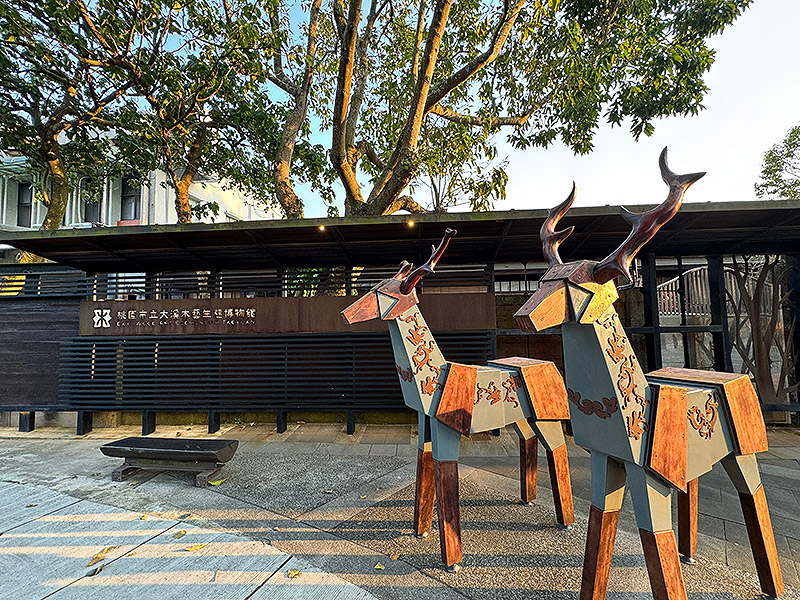
Daxi Spring Outing: Welcoming Fortune & Warding off Poverty
Yingfu Songqiong Temple → Daxi Old Street → Xigu Wood Art → Daxi Wood Art Ecomuseum
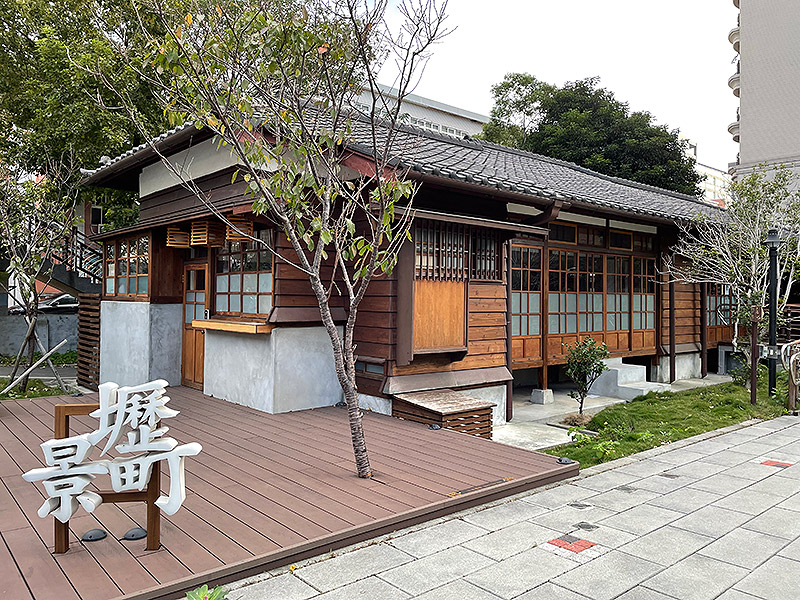
Zhongli Old Town: Cultural Spring Stroll
Renhai Temple → Zhongli City Story House (Zhongping Road Story House, Lijingting, Lixiao Story Forest) → Zhongli Specialty Snacks & Business District Tour → Lao-jie River
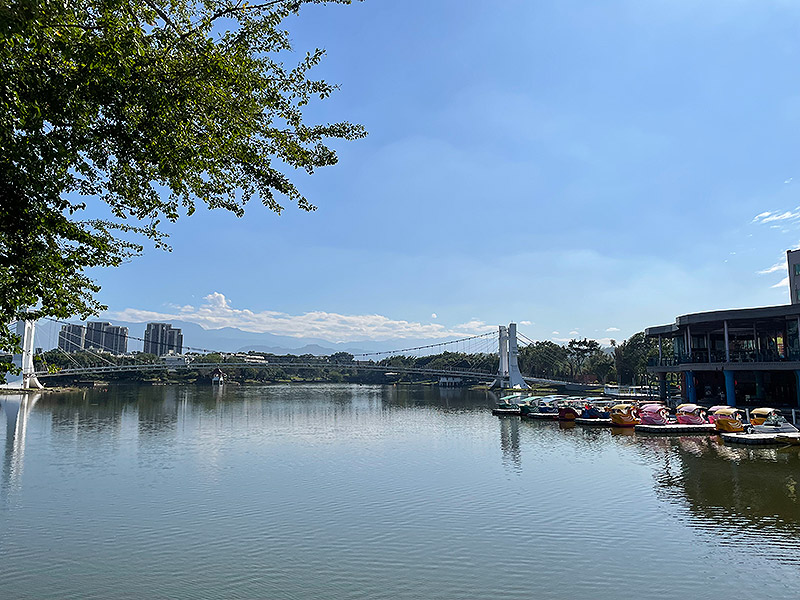
Longtan Spring Trip: Welcoming the God of Wealth
Longtan Large Lake → Longyuan Temple → Chung Chau-cheng Literary Park → Shengji Pavilion → Dabekeng or Sankeng Leisure Area → Sankeng Ecology Park
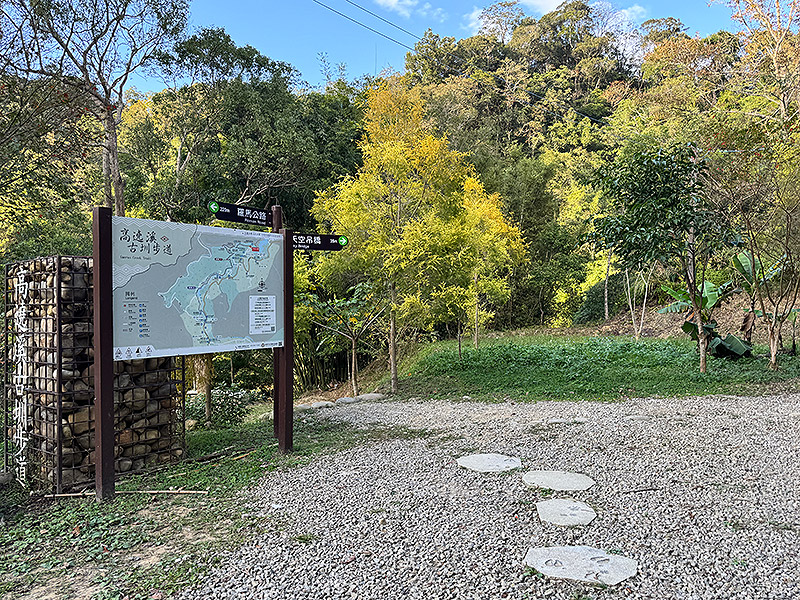
Spring Horse Trek: Rome Mountain Forest Deep Breath Slow Tour
Gaorao Creek Trail → Gaorao Sky Suspension Bridge (Shixiuwan Suspension Bridge) → Nashan Cafe & Landscape Farm
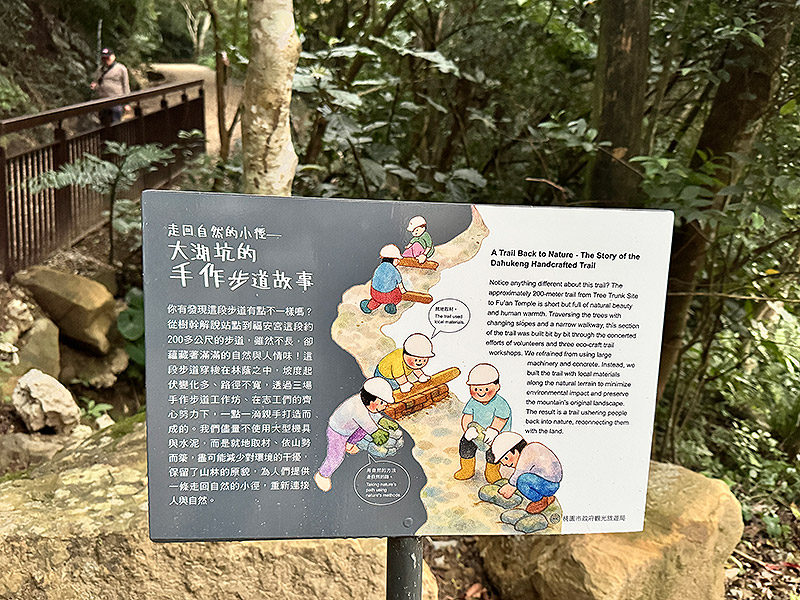
Dahu Forest: Trail Deep Breath
Dahu Forest Natural Trail → Shiyun Temple → Taoyuan Station Business District
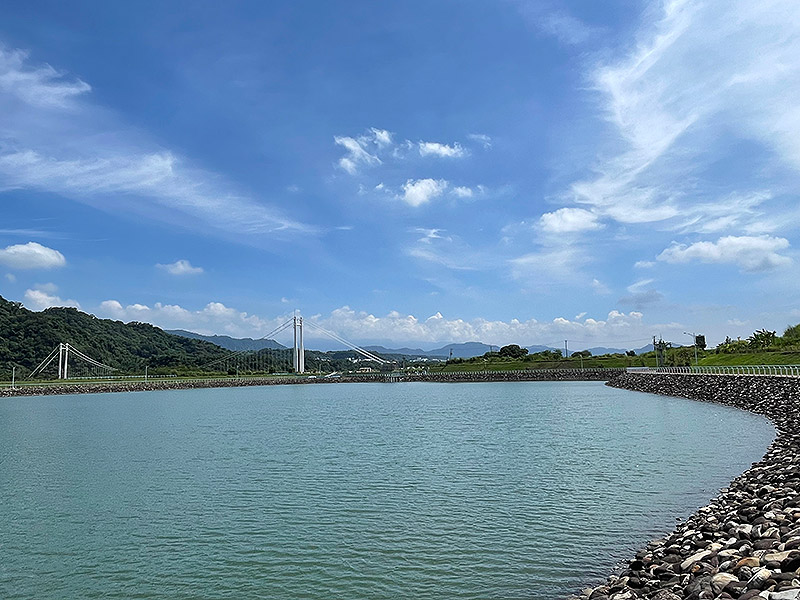
Spring in the Air: Dahan River Ecological Nature Wander
YaMay Leisure Agriculture Area → Shanzhuhu Hydro-ecplogy Park → Zhongzhuang Adjustment Reservoir
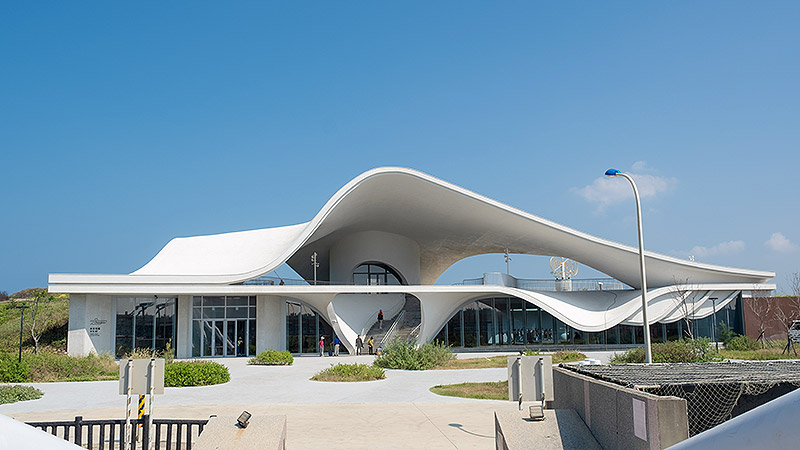
Success on Horseback: Coastal Spring Cycling & Horse Riding Tour
Yongan Fishing Port → Yongan Conch Cultural Experience Park → Xinwu Green Tunnel → Houhuxi Ecological Park → Lanyuan Bee Farm → Pacific Cycles Museum → Xin Wu Ma Chang
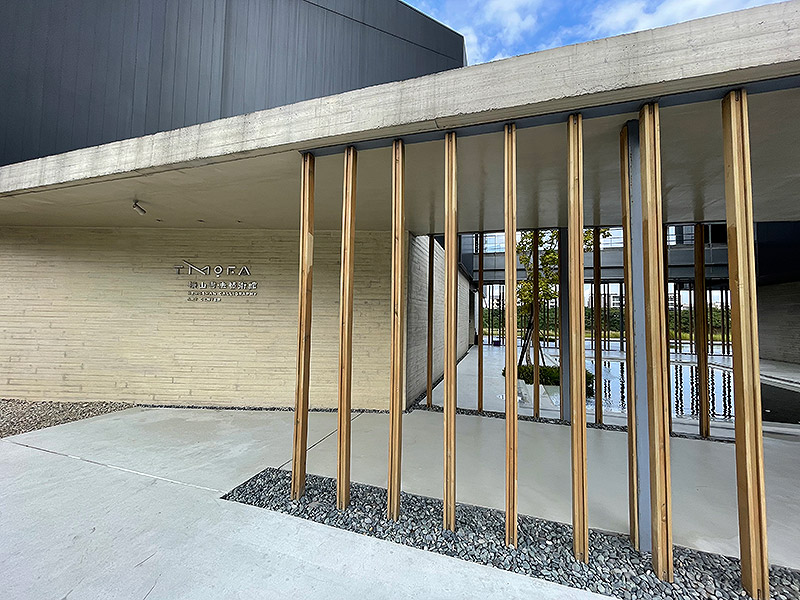
Qingpu Art & Ocean: Trendy Fashion One-Day Tour
Taoyuan Children's Art Museum → Hengshan Calligraphy Art Center → Hengshan Calligraphy Art Park (A17) → Xpark (A18) → Gloria Outlets (A18)
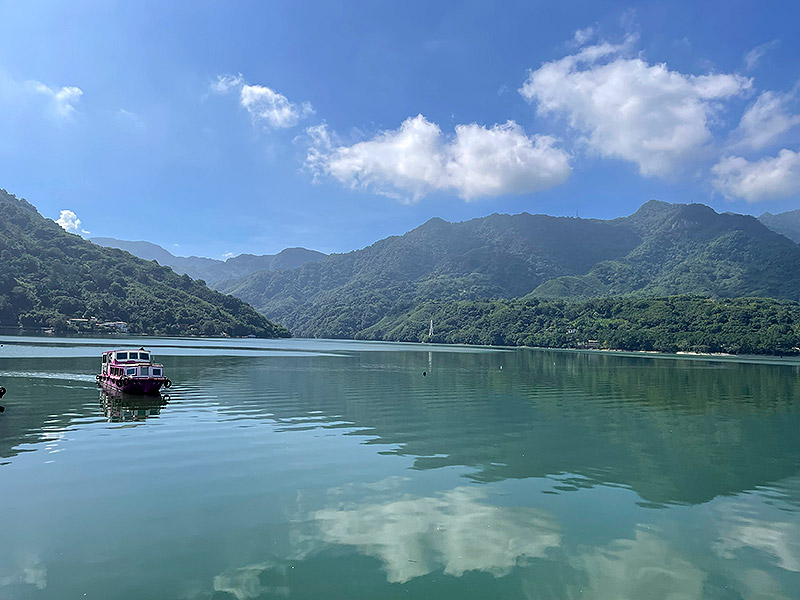
Amuping & Jiaobanshan: Dancing with Lake Views and Plum Shadows
Amuping Pier → (Boat Trip) Jiangmu Island Cruise → Shihmen Dam View → Jiaobanshan Residence & Commercial District → Cihu → Tomita Flower Farm
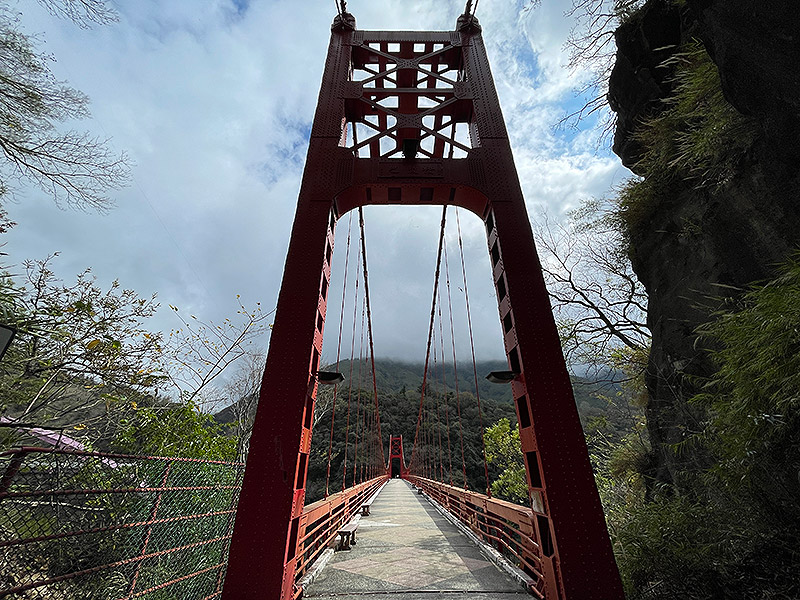
Lala Mountain Spring Cherry Blossoms: Giant Trees & Starry Night Trek
Northern Cross-Island Highway Visitor Center → Old Baling Bridge & Baling Ancient Trail Stroll → Baling Iron Tower → Lala Mountain Ancient Trees Area → Lala Mountain Tribal Cuisine / Stargazing
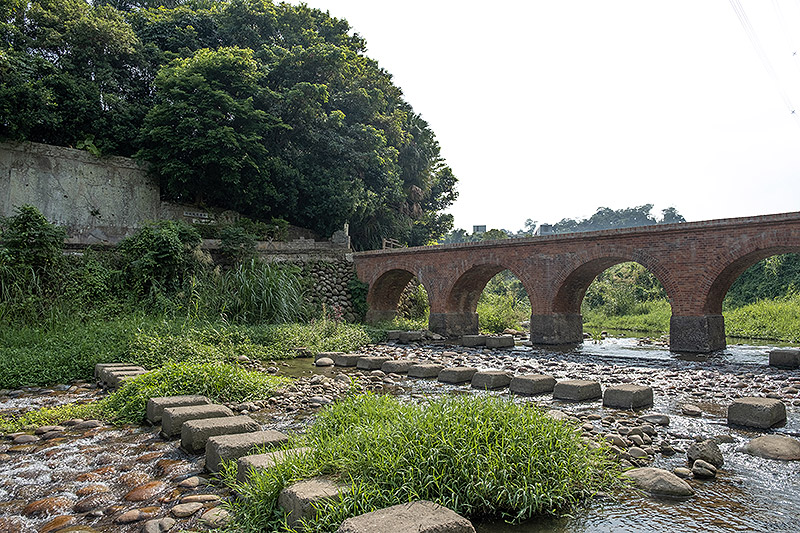
Century-Old Hakka Village: Tea Tasting & Flower Viewing
Daping Centennial Canal → Multi-tiered Waterfall → Daping Red Bridge → Linping Ancient Trail → Meiguo Road → Taiwan Hakka Tea Culture Museum → Dabekeng Leisure Agriculture Area → Window on World
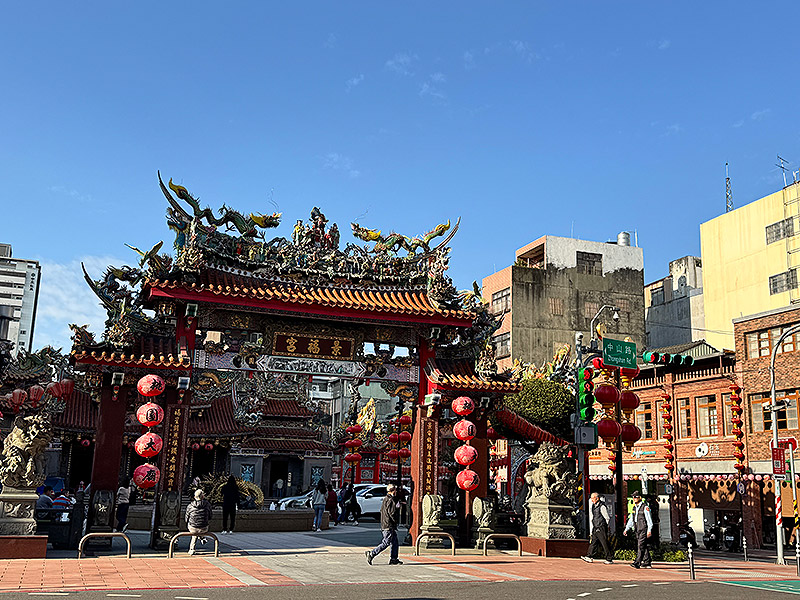
Pegasus Illuminates Taoyuan: Hutoushan Outing & Lantern Fun
Museum → Taoyuan 77 CityTown → Jingfu Temple Blessing → Zhongqi Store → Big Temple Police Station & Bo’ai Cultural and Creative District → Hutoushan Park → Confucius Temple & Minglun Sansheng Temple → Taoyuan Martyrs' Shrine and Shrine Cultural Park → Hutoushan Environmental Park → "Pegasus Illuminates Taoyuan" Lantern Festival
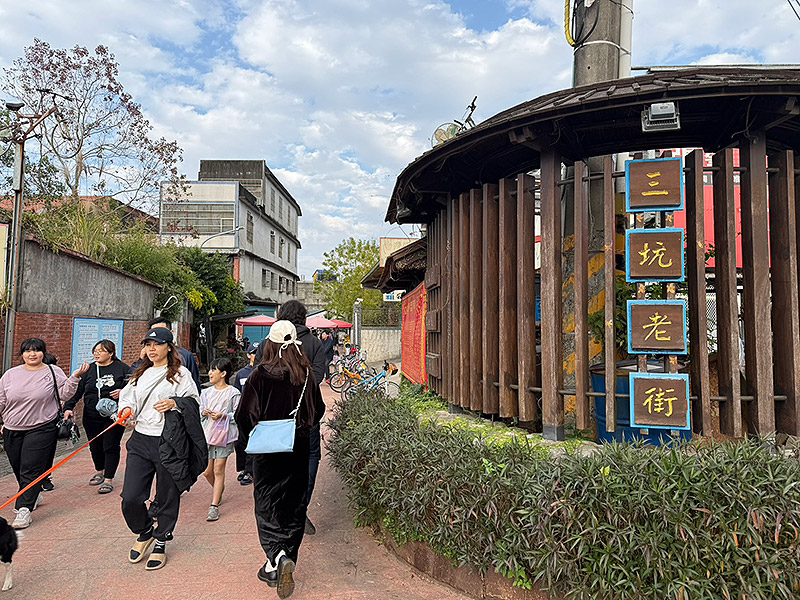
Golden Horse Welcomes Spring: Night Tour & Longtan Lantern Fun
Zhongli Railway Station → Longtan Large Lake → Longtan Metasequoia Park → Fame Hall Garden Hotel (Baseball Hall of Fame) → Taoyuan City Hakka Cultural Hall → Shiyifen Tourism and Cultural Park → Sankeng Old Street → Live Fish Street → Cihu → Longtan Large Lake "2026 Longtan Lantern Festival Art Exhibition"
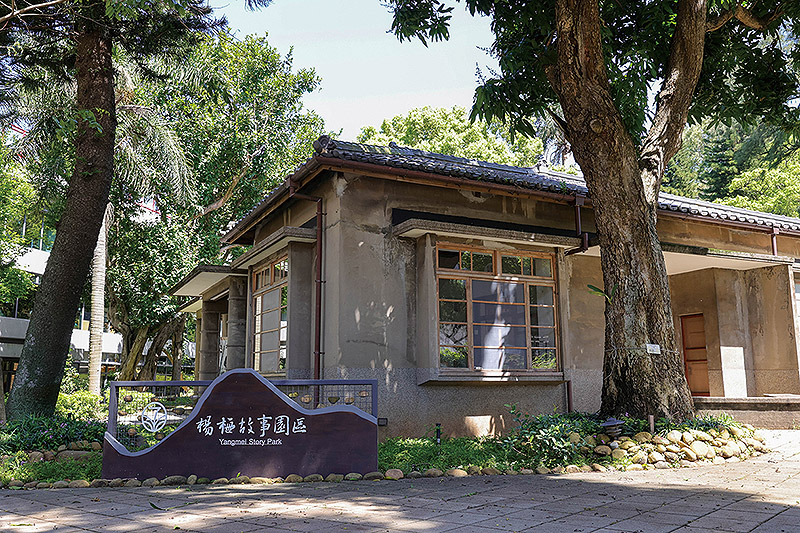
Hakka Village Cherry Blossom Trip: Yangmei Lantern Fun
Yangmei Xiucai Trail → Yangmei Story Park → Pushin Ranch → Yangmei Railway Station
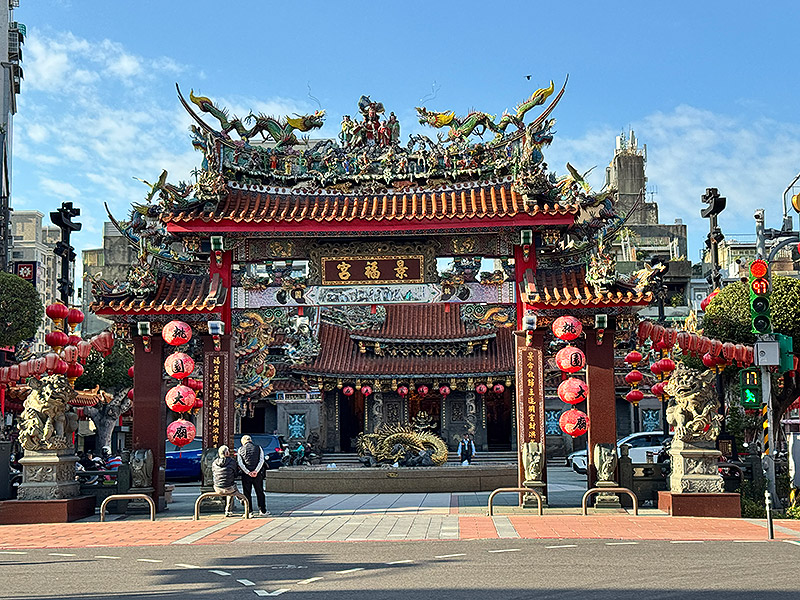
Jingfu Temple
Taoyuan’s Jingfu Temple, a temple located in the heart of the city, is both a religious sanctuary and a witness to cultural history. As a vital spiritual center in the Taoyuan area, known as "The Big Temple," Jingfu Temple has long been integrated into the lives and emotions of local residents. Furthermore, the festive activities held here make it a prominent highlight for cultural tourism.
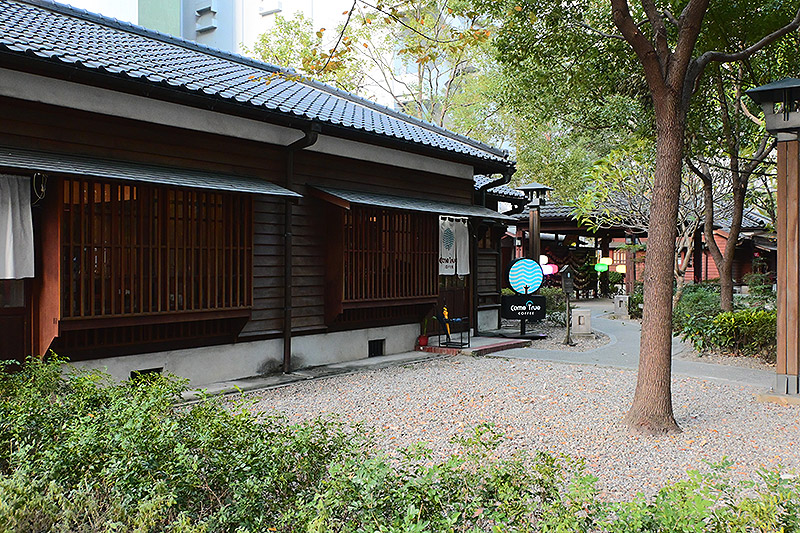
Taoyuan 77 Art Zone
Formerly the "Taoyuan Police Bureau Japanese-style Dormitories," this site served as official residences during the Japanese colonial period and was later repurposed as veterans' housing after the war. Registered as a Taoyuan City historic building in 2012, it is one of the few well-preserved Japanese-style wooden dormitory clusters in Taoyuan. After restoration, "Taoyuan 77 Art Zone" was named by citizens, combining the significance of its Japanese-style architecture and its location in Lane 77 of Zhongzheng Road. Featuring Japanese police dormitories as its hallmark, the park integrates cultural resources with creative industries, hosting art exhibitions and promotional activities. Through the revitalization of cultural space, it has become a highlighted landmark in the old town of Taoyuan.
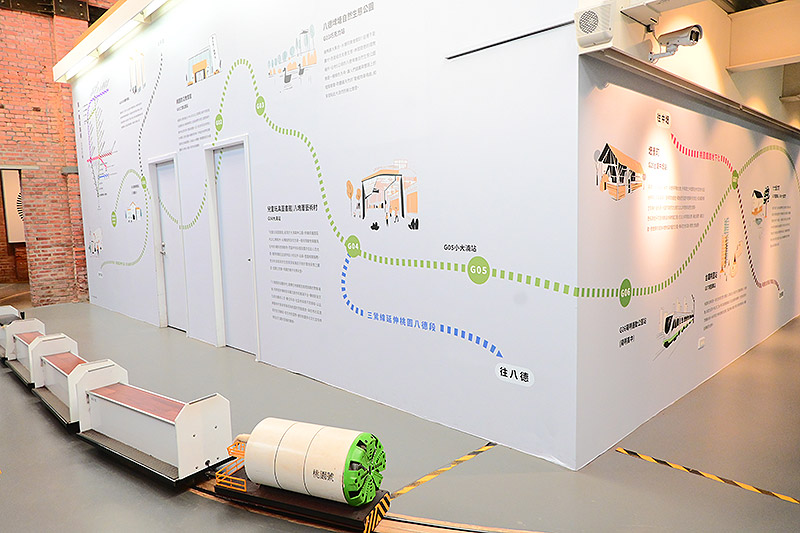
Taoyuan Railway Pavilion
The Taoyuan Railway Pavilioncontinues the historical memory of Taoyuan Railway Station through innovative restoration and revitalization. The museum features the Taoyuan Rail Heritage Exhibition Space, a mini-train experience area, 3D multimedia interactive zones, track and model exhibition spaces, a rail transportation library, and a citizen consultation counter. In addition to the outdoor plaza activity area, the museum showcases the nation’s first open-type physical tunnel shield machine, presenting the past, present, and future of Taoyuan’s rail development.-
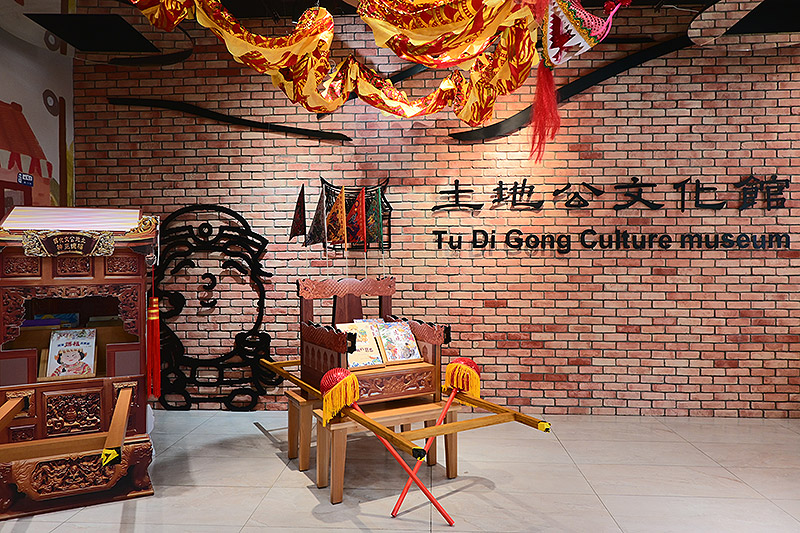
Taoyuan Tudigong Cultural Museum
With over 7 Tudigong (Earth God) temples per square kilometer, Taoyuan District has the highest density in the country. To promote this faith, the museum's first floor features "Fu-de Temple," Taoyuan's first public Tudigong temple. The museum showcases magnificent shrines and exquisite stone carvings, reflecting the temple's grand atmosphere while encouraging eco-friendly practices.
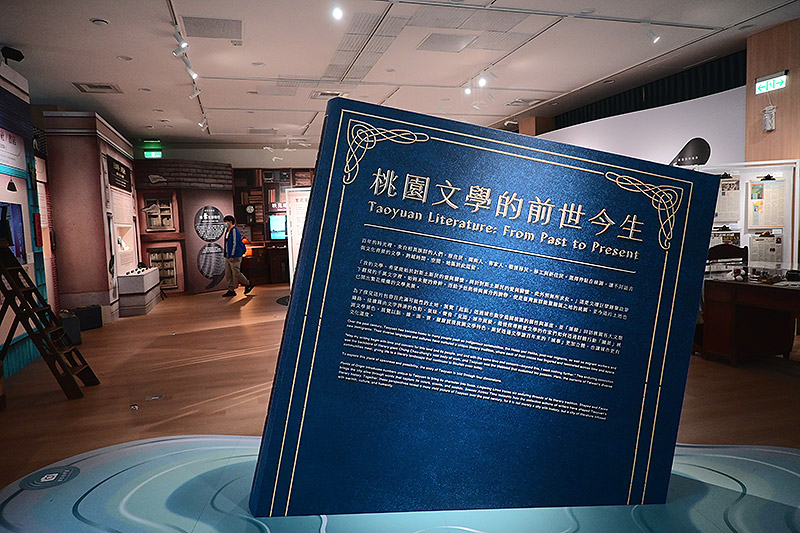
Taoyuan Literature Museum
The Taoyuan Literature Museum is situated in the historical heart of Taoyuan District, near the "Big Temple" (Jingfu Temple) and Zhongzheng Road business district. Originally a Japanese-era street dormitory, it has been repurposed as a venue for literary appreciation and sharing. Its architectural facade is designed to resemble book stacks, providing a high-quality platform for cultural exchange.
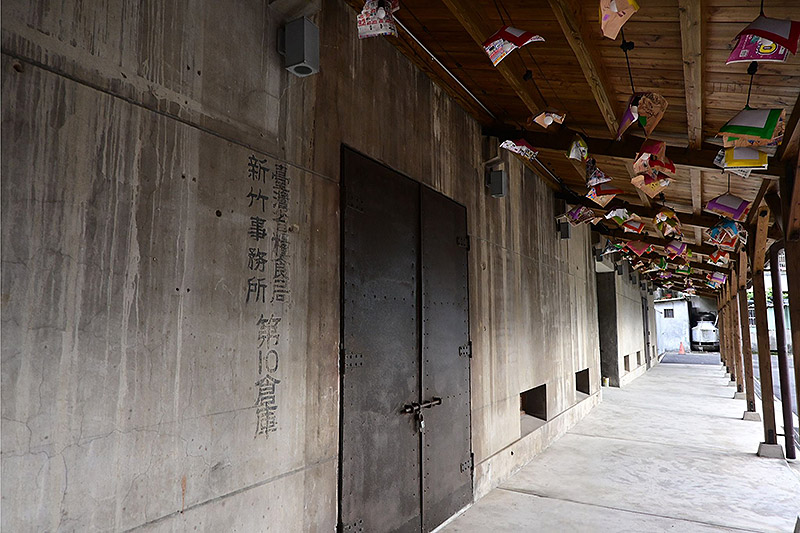
BARN 169 Theater
Formerly the "Taoyuan County Rice Grain Control Association Warehouse" built in 1936, this site features Dutch-bond brickwork and large-span wooden roof trusses. After extensive consultation, it was registered as a Taoyuan City historic building in 2017. It has been revitalized into the "BARN 169 Theater," a professional performance space with 150 seats.
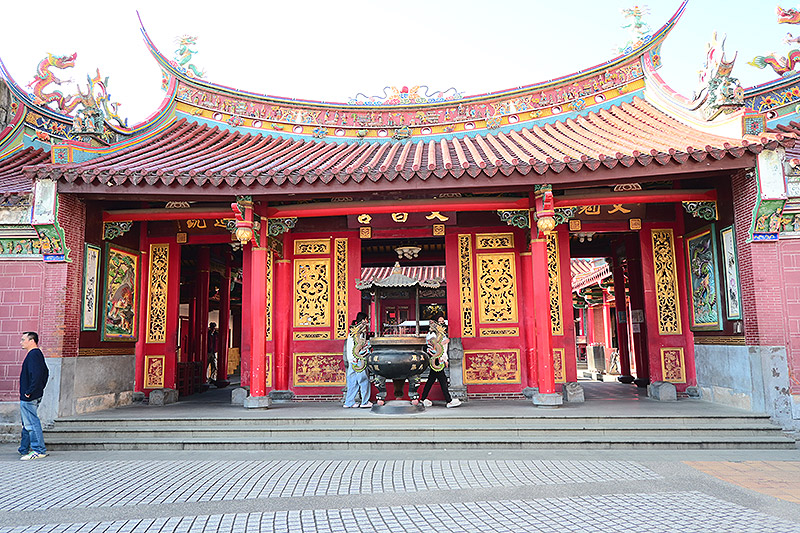
Taoyuan Wenchang Temple
Wenchang Temple was built in 1867 (the 6th year of the Tongzhi reign). At that time, Yan Jinqing, the Magistrate of Tamsui, collaborated with local gentry members such as Li Teng-fang, Jian Ming-zhong, Wu Wei-bang, and Yan Zong-lian to establish "Mingshan Hall." Their goal was to promote culture and education to civilize the local community. Later, at Yan's suggestion, the gentry members further agreed to establish "Wenchang Temple." They raised funds from residents in Taoyuan, Zhongli, Nankan, Daxi, and Yingge to construct the building. In 1896 (the 29th year of the Meiji reign), additional funds were raised by scholars like Cai Lu to add the front hall and the side corridors, resulting in the architectural layout seen today.
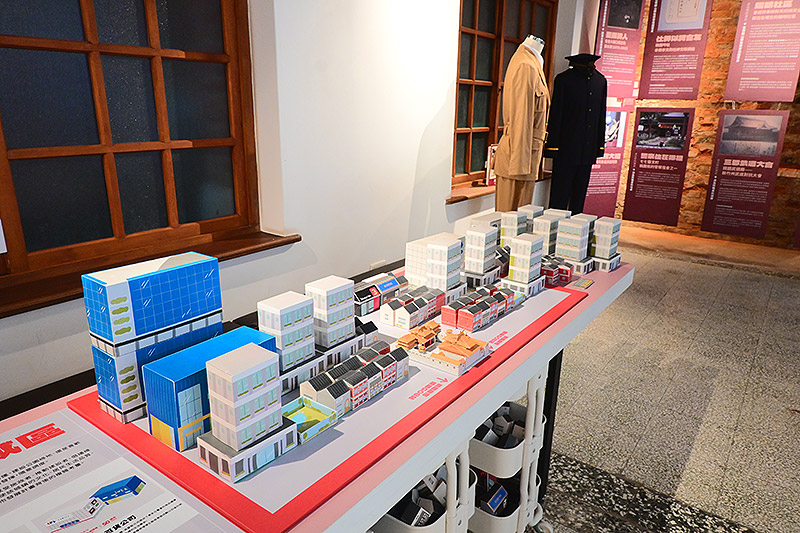
Damiaokou Police Station
Located on the eastern side of Jingfu Temple (the cultural and spiritual center of Taoyuan), the "Damiaokou Police Station" was built in 1927 (the 2nd year of the Showa reign). It originally served as an urban police station during the Japanese colonial period. The first floor functioned as the police station, while the second floor served as the meeting room for the Bao-jia (community self-defense) alliance, equipped with militia and firefighting facilities. The building uniquely preserves the combination of the Japanese-era police system and the Qing Dynasty’s Bao-jia system. On February 16, 2017, it was officially designated as a Historical Building by the Taoyuan City Government.
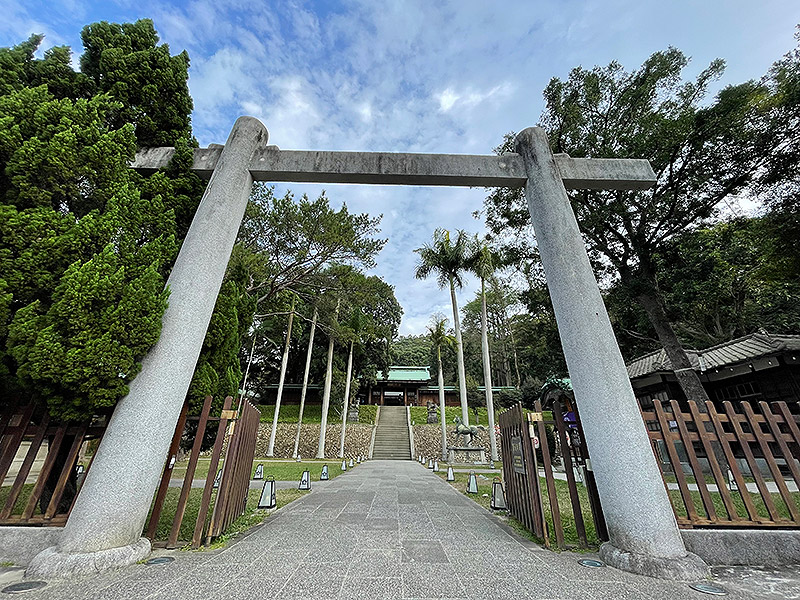
Taoyuan Martyrs' Shrine
Situated on Hutou Mountain in Taoyuan City, the Taoyuan Martyrs' Shrine was completed in 1938. Formerly known as the "Taoyuan Shrine" during the Japanese colonial period, it is the best-preserved Japanese-era shrine in Taiwan. Its architectural style blends ancient Chinese Tang Dynasty, Japanese, and modern Taiwanese influences, constructed using premium Taiwanese cypress. It was officially listed as a municipal historic site in 1994. Due to its unique historical and cultural value, it was chosen as a filming location for the movie KANO, guiding audiences to experience the nostalgic memories of the 1930s.
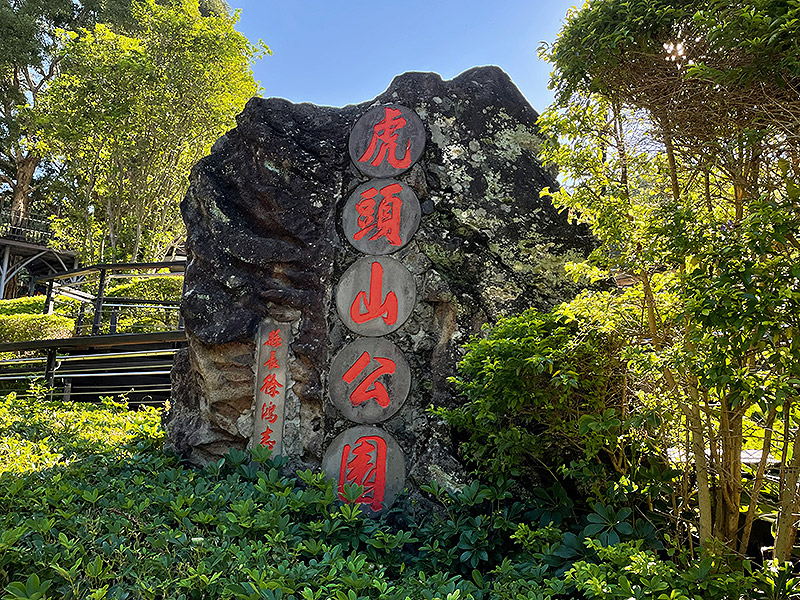
Hutoushan Park
When it comes to popular leisure spots in Taoyuan, Hutoushan Park is definitely at the top of the list. Located close to the city center yet offering a landscape reminiscent of a hidden forest, it is hailed as "Taoyuan's Backyard Garden." Covering an area of 15 hectares, Hutoushan Park is part of the Hutoushan Scenic Area. It connects various landmarks such as Sanfen Mountain, the Martyrs' Shrine, and the Ecological Park. With its lush greenery and well-designed trail system, visitors can easily enjoy the pleasure of being close to nature.
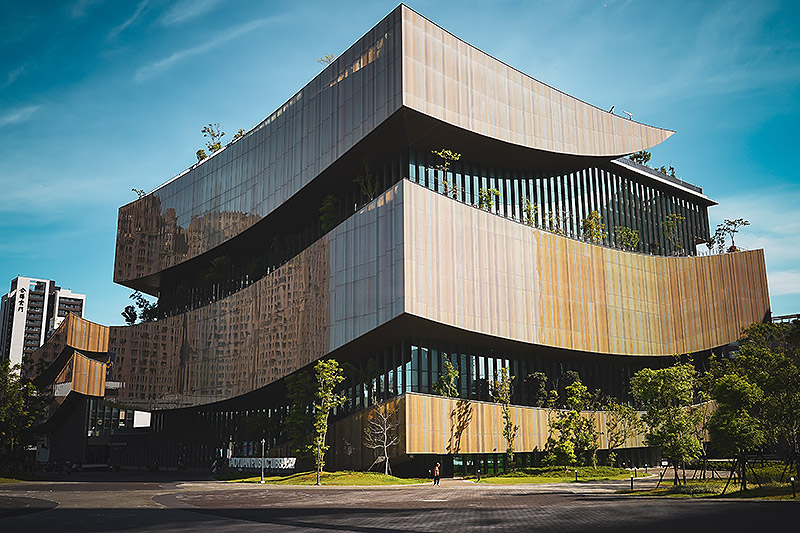
Taoyuan Public Library Main Branch
Inspired by the "Tree of Life," the new Taoyuan Public Library Main Branch features 8 floors and houses nearly a million books. It is regarded as the most beautiful library in Taiwan. Come visit Taoyuan's latest cultural landmark and immerse yourself in a brand-new reading experience!
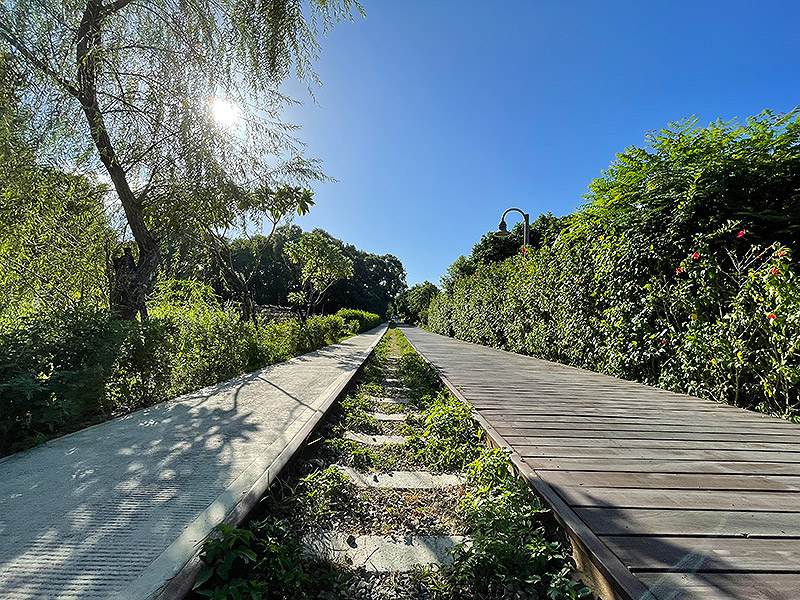
Taolin Railway
The Taolin Railway has been revitalized into a 15.8-kilometer green corridor. It combines history, culture, bicycle paths, and ecological green belts, spanning across Guishan, Taoyuan, and Luzhu districts. It provides citizens with a space for leisurely walking and cycling, offering a perfect fusion of urban life and nature.
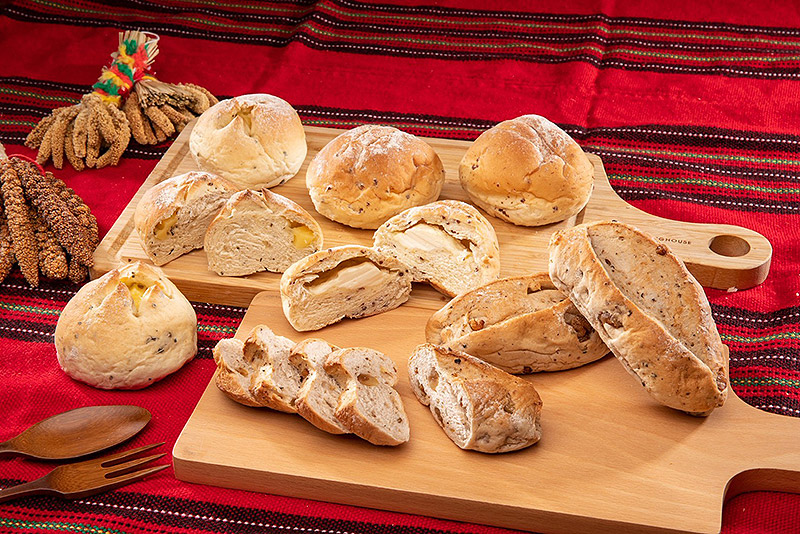
Thirteen Handmade Bakery
Responding to market demands for food safety with "real ingredients and heartfelt sincerity," this bakery promotes indigenous agricultural products and food culture. It has created a unique destination for cultural experiences and healthy eating, becoming a signature brand in the old city and spreading the aroma of fresh bread through the streets.
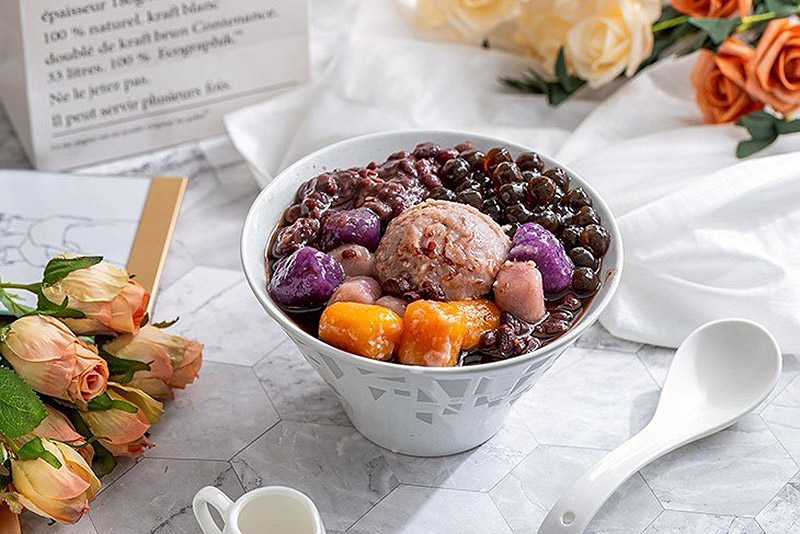
Mushei Ice Castle
Inheriting the essence of classic Taiwanese desserts with vibrant taro balls, this shop uses modern techniques and fresh, natural ingredients to blend colors into the food. While being delicious, every bite preserves the most authentic flavor of the ingredients, adding a fresh splash of color to the old city area.
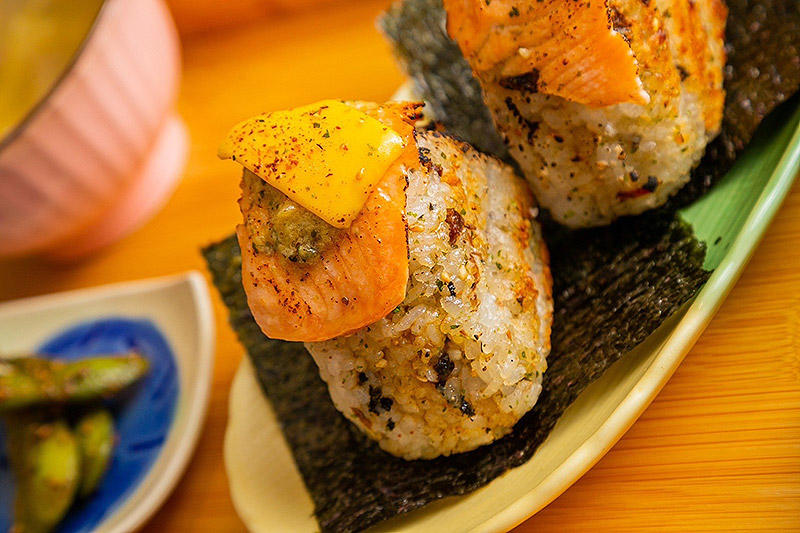
Tan Xiu
On a corner of Xinmin Street, a low-key Japanese-style food stall, the rising aroma of charcoal, and steaming rice balls catch the attention of every passerby. The owner, with over 20 years of culinary experience ranging from private kitchens to street stalls, chose to return to the old city to start fresh with handmade rice balls, keeping the simplest fragrance alive in the alleys of the old town.
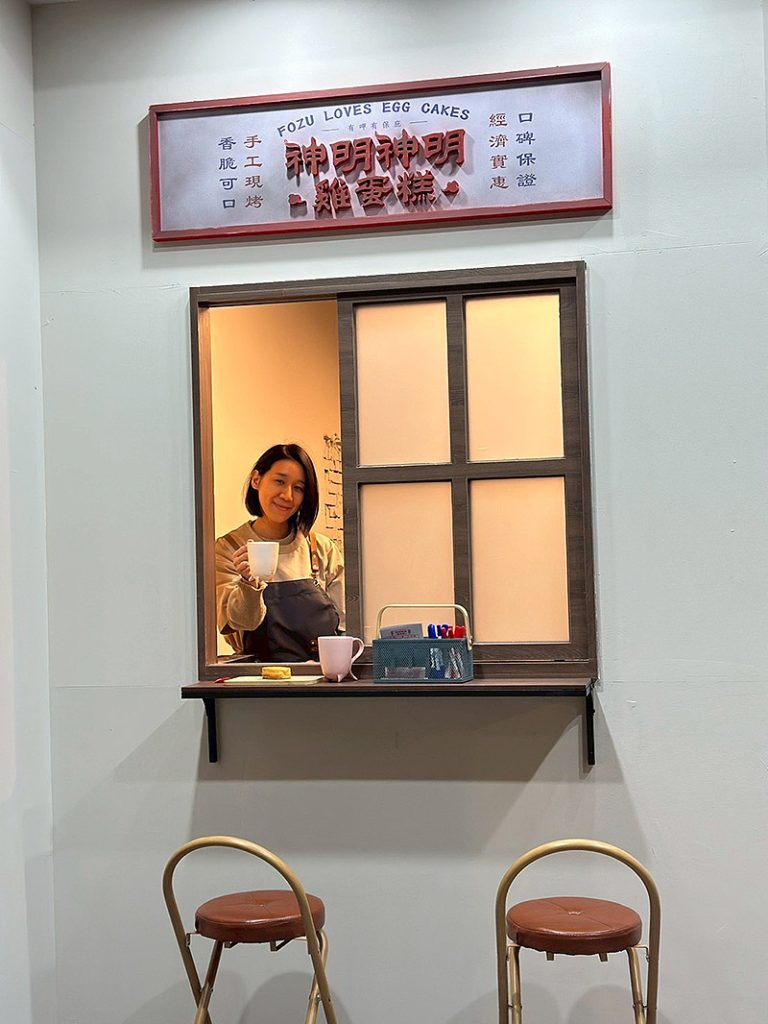
Shenming Shenming Egg Cake
This egg cake shop was founded out of a deep-seated love for Taiwan's folk culture and spiritual beliefs. By blending the rich history of the old streets with modern creativity, it has developed a strong local identity. It transforms the humble egg cake into a unique cultural experience, using deities as its theme. Every bite offers not just delicious flavor, but a fusion of tradition and faith
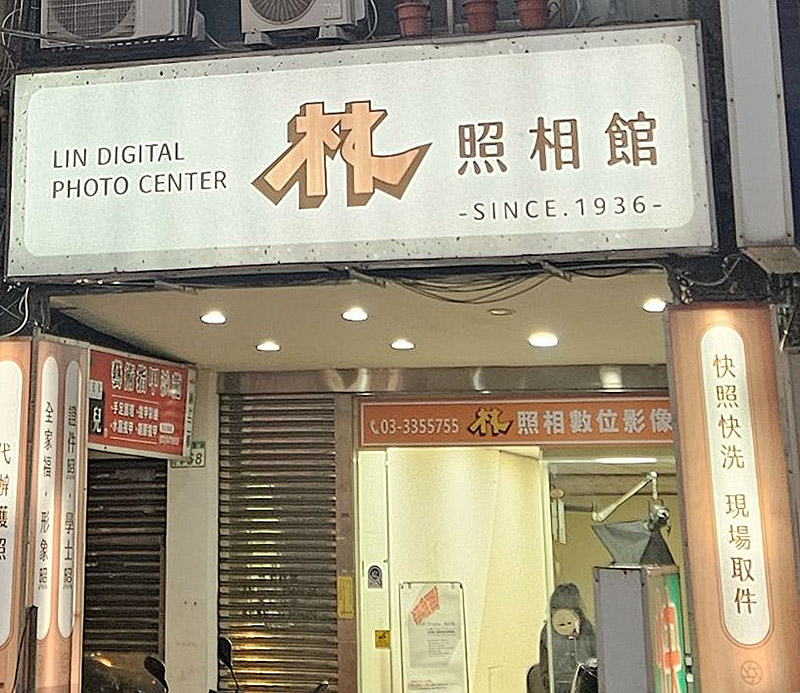
Lin Digital Photo Center
A long-standing photo studio with over eighty years of history, specializing in identification photos and family portraits.
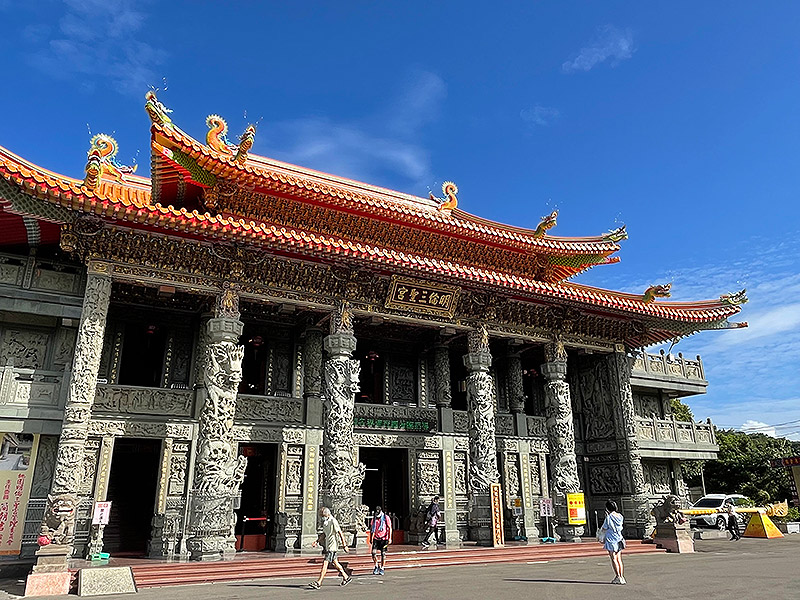
Taoyuan Minglun Sansheng Temple
Every year on the 24th day of the 6th lunar month, the temple holds grand celebrations for the birthday of Lord Guan, creating a vibrant and bustling atmosphere.The temple is home to a legendary 360-year-old statue of Guan Gong with a "growing beard".Legend has it that during a renovation, the statue's beard grew from waist-length all the way to its feet—a miracle that awaits your personal discovery.
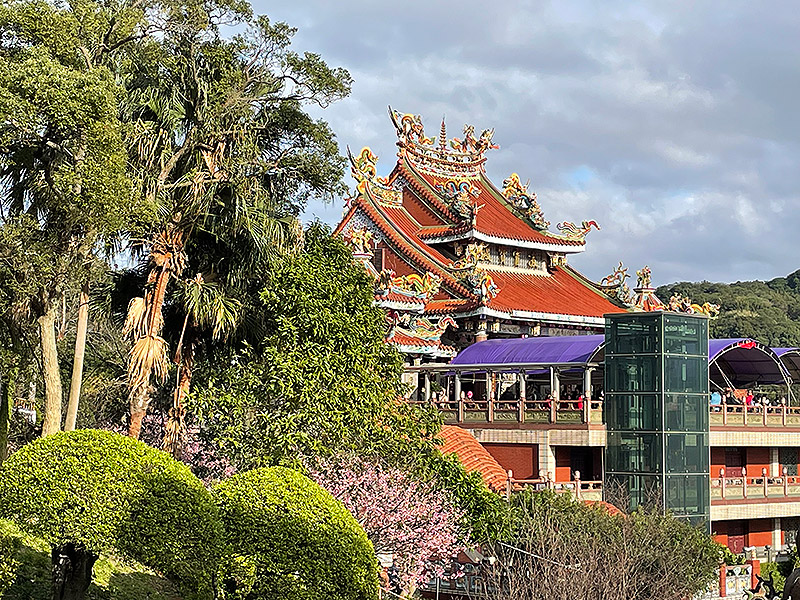
Shoushanyan Guanyin Temple
Established in 1742 (the 7th year of the Qianlong Emperor), Shoushanyan Guanyin Temple is the oldest temple in the area, boasting a history of over 280 years.Originally named "Lingding Temple," it was given its current name by the Qianlong Emperor himself.Not only is it a center of fervent worship, but it is also designated as a municipal historic site and was selected as one of Taiwan's Top 100 Religious Scenes.It is a destination well worth visiting to explore its profound cultural charm.
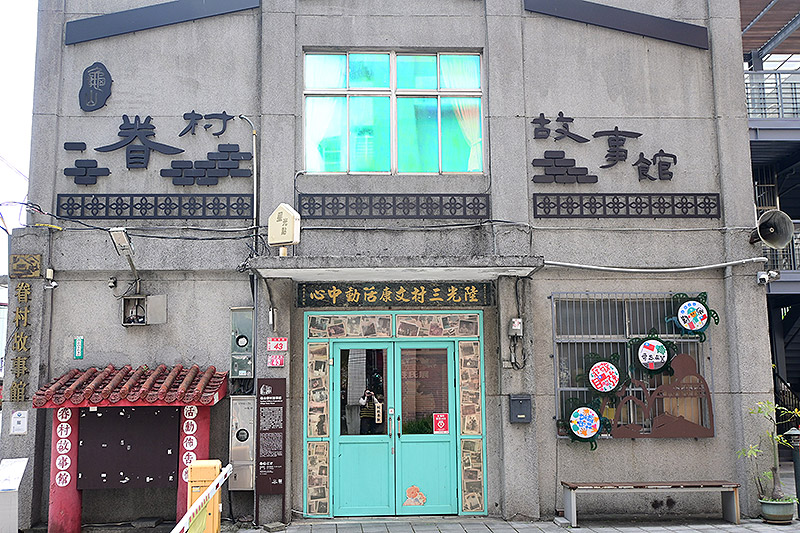
Gueishan Village Story House
Located next to the Millennium Community on Guangfeng Road in Guishan District, the Gueishan Village Story House originally served as the self-government office for Luguang Third Village.It was a vital gathering place for village activities and has been preserved by local residents as a site for emotional and community connection.To preserve the cultural heritage of military dependents' villages, the Taoyuan City Cultural Affairs Bureau registered it as a historical building in 2004 and officially named it the "Gueishan Village Story House".It stands as the only original village building preserved following the reconstruction of Luguang Third Village.
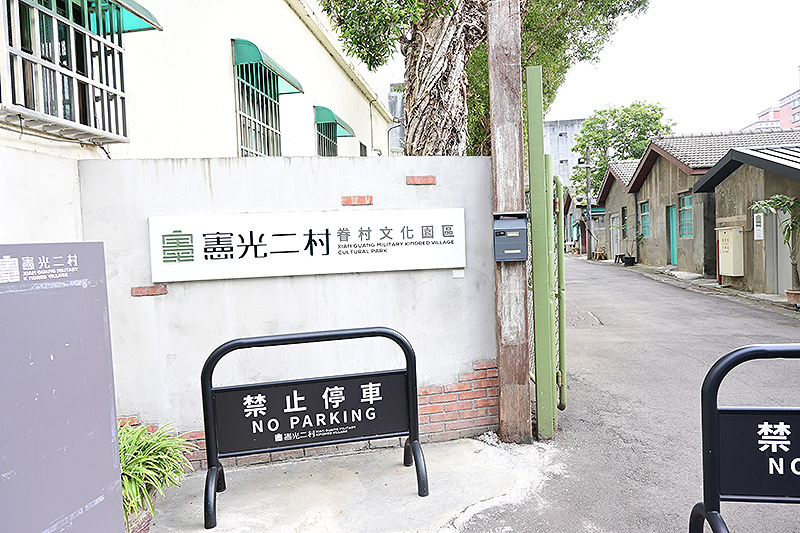
Xian Guang Military Kindred Village
The single-story residential units of the Xian Guang Military Kindred Village are arranged in orderly rows. The central banyan tree plaza, located to the right of the housing units, was once a hub where children played and adults gathered to chat. After more than 50 years, the small trees planted in those early days have matured into ancient banyans that continue to shade the land. Furthermore, this was the site where the Military Police Command would screen patriotic films, momentarily turning the plaza into an open-air cinema.
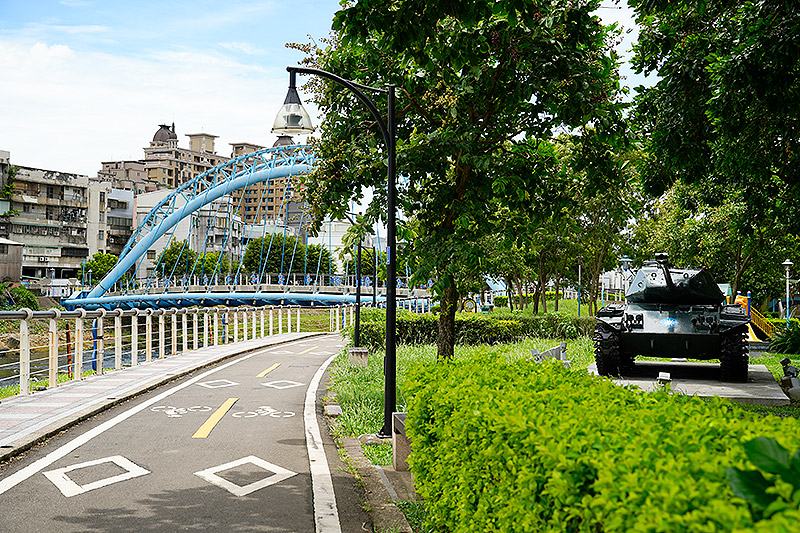
Guishan First Riverside Park
A city is made beautiful by its water. The Nankan River, which originates in Guishan, now features crystal-clear water following restoration efforts, attracting numerous water birds to inhabit the area. The riverside green spaces flowing through the city area offer picturesque scenery and are equipped with well-developed bicycle paths and pedestrian walkways. Whether you are going for a breeze on a bicycle to enjoy the views along the banks or taking a stroll with your pets, it provides an exceptionally comfortable and relaxing environment.